The East African coastline is breathtaking, but it’s also on the frontlines of the global climate crisis. Rising sea levels, shifting weather patterns, and degraded marine habitats aren’t just future predictions for communities along Kenya’s shores—they are living realities today.
Enter Coastal Climate Futures (CCF), a dynamic community-based organization headquartered in Mombasa and Tana River County that is turning the tide on climate vulnerability. Driven by a powerful combination of grassroots leadership and social justice, CCF is proving that the key to building a resilient future lies in empowering the people who call the coast home.
Who is Coastal Climate Futures?
CCF operates as a vital catalyst for coastal resilience. Their core mission is to accelerate climate action from Kenya’s coast to the global stage by mobilizing youth and women, deploying green technologies, and preserving vital marine ecosystems.
Rather than relying purely on top-down directives, CCF champions a vision where the transition to a sustainable, gender-inclusive green economy is locally owned and executed.
Driven by Intergenerational Leadership
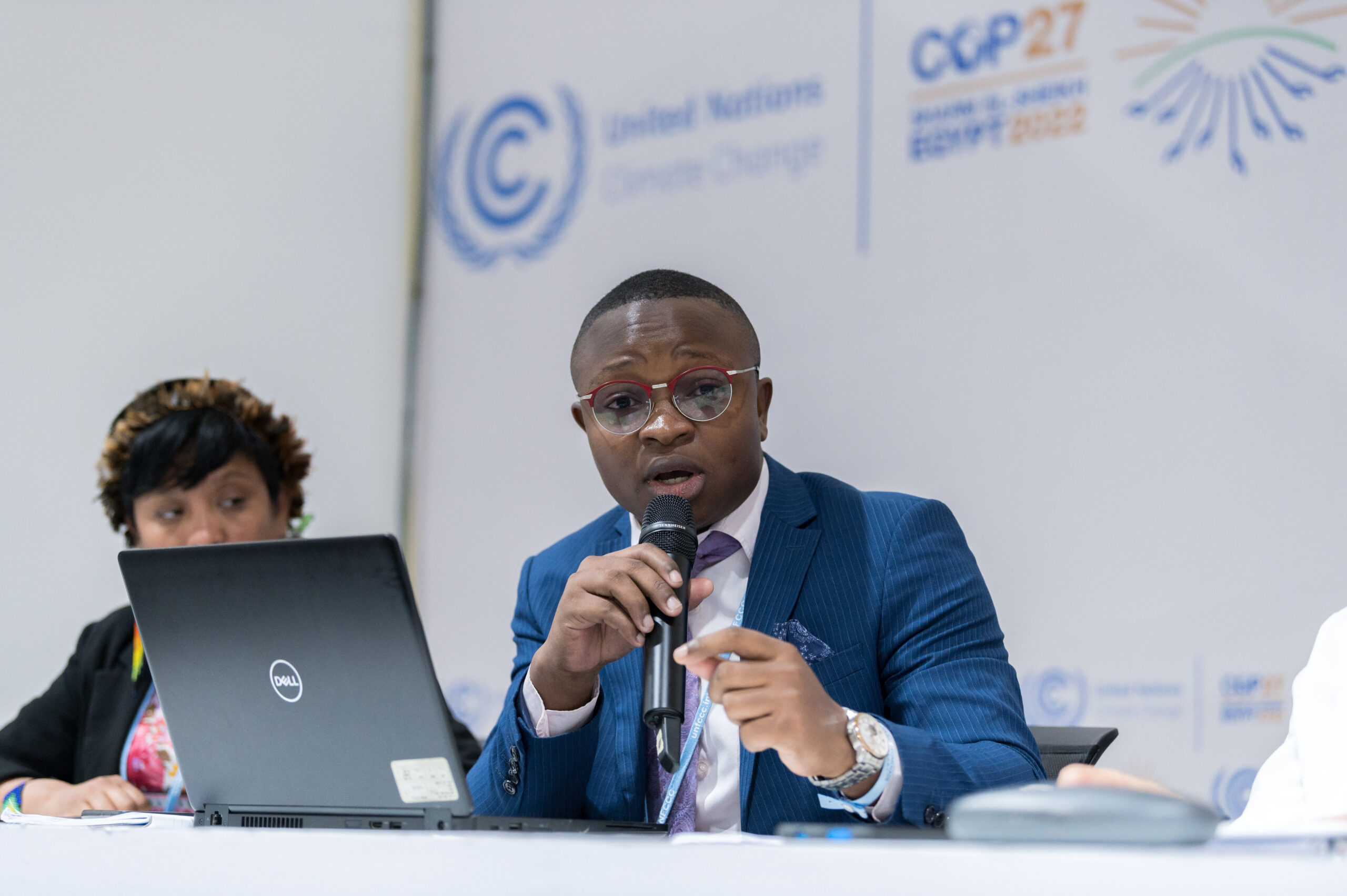
At the heart of CCF’s momentum is its founder, Maro Micah Maua, a Kenyan climate governance expert and youth advocate. Pursuing his Master’s studies at the University of Nairobi, Maro has actively contributed to critical international climate discussions under the United Nations Framework Convention on Climate Change (UNFCCC).
His work bridges the gap between global policy spaces (like the COP summits) and local implementation. Under his guidance, CCF translates complex international climate agreements into practical, everyday local actions—from beach clean-ups to localized mangrove restoration.
Five Core Action Fields Transforming the Coast
CCF tackles climate change from multiple angles through five deeply interconnected, community-driven programs:
- Climate Policy Advocacy: Elevating the lived realities of coastal grassroots communities to local, national, and global policy platforms to demand accountability and equitable climate justice.
- Marine Flora Ecosystem Restoration: Actively reclaiming degraded blue carbon reservoirs through structural mangrove monitoring and biological shoreline re-planting. This protects coastal lands from harsh waves while capturing significant carbon emissions.
- Climate-Resilient Agriculture: Adapting to hyper-saline coastal earth matrices and unpredictable rains by teaching optimized, resilient agrarian practices to local farmers.
- Green Energy Solutions: Deploying solar micro-infrastructure and clean energy setups across local village manufacturing tiers, moving communities away from carbon-heavy fuel sources.
- Community Empowerment & Education: Mobilizing youth collectives and women’s groups into organized frameworks for climate literacy and environmental defense.
Aligning with Global Goals
What makes CCF’s work so distinct is its structural focus on intersecting environmental recovery with everyday survival. Their operations intentionally align with five major United Nations Sustainable Development Goals (SDGs):
- SDG 1 (No Poverty): By diversifying green livelihood margins and saving baseline assets.
- SDG 5 (Gender Equality): Placing women directly at the apex of community resource management.
- SDG 7 (Clean Energy): Building localized solar and low-emission arrays.
- SDG 13 & 14 (Climate Action & Life Below Water): Reclaiming crucial blue carbon reserves and stabilizing disrupted marine ecosystems.
How You Can Get Involved
The fight for a climate-resilient East African coast requires collective momentum. Whether you are a youth looking to join active climate defense modules, a policy researcher tracking local governance, or an ally looking to support grassroots efforts, Coastal Climate Futures invites you to be part of the change.
To explore their recent field updates, view their photo gallery, or make an instant, secure donation via M-Pesa or PayPal
Leave a Reply