Author: Admin

  • Local Voices, Global Impact: Empowering Communities for Coastal Climate Action

    Local Voices, Global Impact: Empowering Communities for Coastal Climate Action

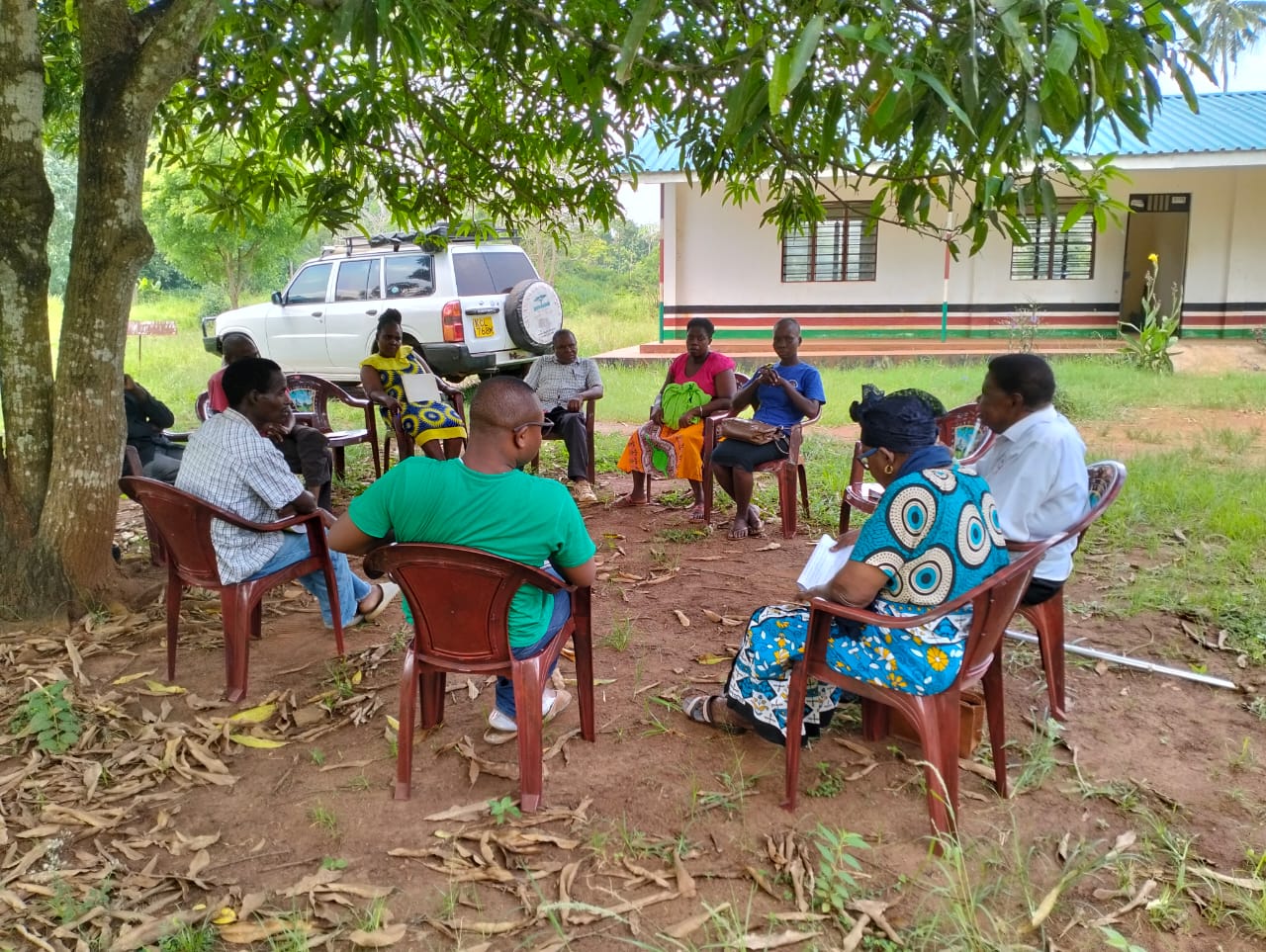
    At Coastal Climate Futures, we believe that the true foundation of sustainable environmental change lies within the people who call the coastline home.

    Scientific research gives us the data, and technology provides the tools, but it is the knowledge, dedication, and action of local communities that ultimately secure a resilient future. We have seen firsthand that lasting conservation only happens when communities are empowered to become proactive stewards of their own natural resources.

    The Core of Resilience: Why Community Education Matters

    Environmental challenges—such as rising sea levels, mangrove deforestation, and marine pollution—are complex, yet their solutions are often found at the grassroots level. Education is the bridge between understanding these challenges and implementing effective action.

    Our community engagement and education initiatives focus on key areas:

    1. Bridging Knowledge Gaps: Many climate impacts are gradual. We provide clear, accessible information explaining how global climate shifts manifest locally, helping residents understand why a changing coastline affects their families, livelihoods, and traditions.
    2. Highlighting Ecological Services: We illustrate the vital—and often invisible—roles that ecosystems like mangrove forests and seagrass beds play. When communities understand that these habitats directly protect homes from storms and support local fisheries, their preservation becomes a shared priority.
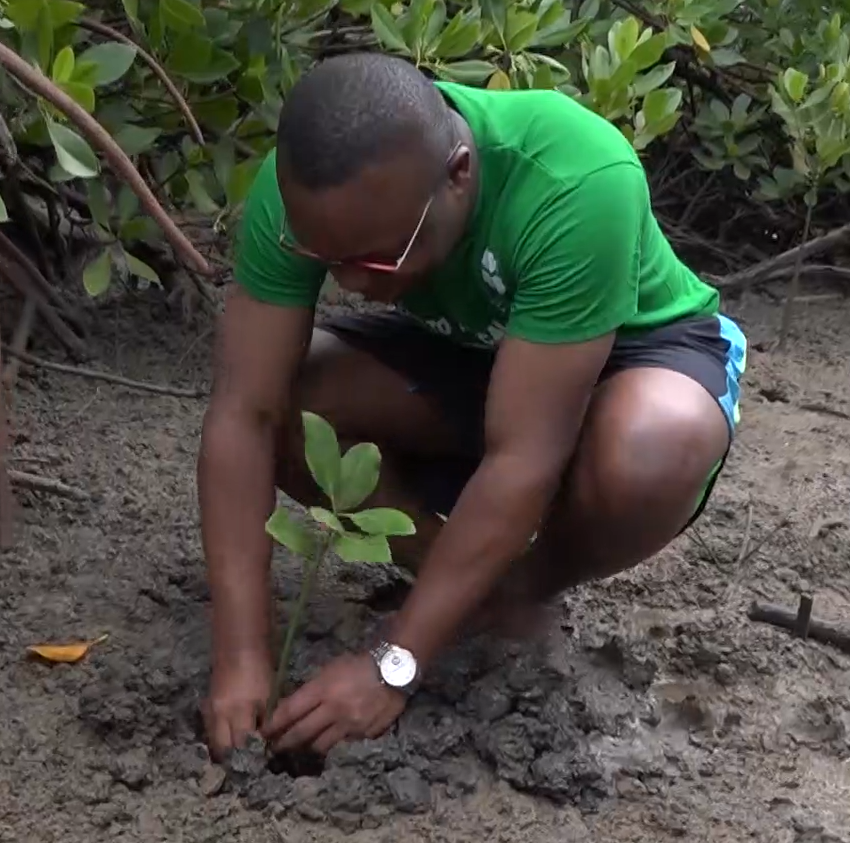
    3. Cultivating New Skills: Education must lead to action. We offer training on sustainable aquaculture, eco-friendly fishing practices, plastic waste management, and mangrove restoration techniques, equipping individuals with the skills needed to build a sustainable, green economy.

    Beyond Awareness: Fostering Empowerment and Ownership

    Knowledge is powerful, but empowerment requires agency. When local individuals and groups lead conservation efforts, the outcomes are more impactful and enduring.

    Community empowerment within our programs means:

    • Inclusivity in Decision-Making: We prioritize listening to the needs and concerns of fishers, farmers, youth groups, and local leaders. Successful climate strategies are those co-created with the people who will execute them.
    • Celebrating Local Champions: Throughout our coastlines, individuals are already making a difference. We amplify these voices, offering them platforms to mentor others and lead by example.
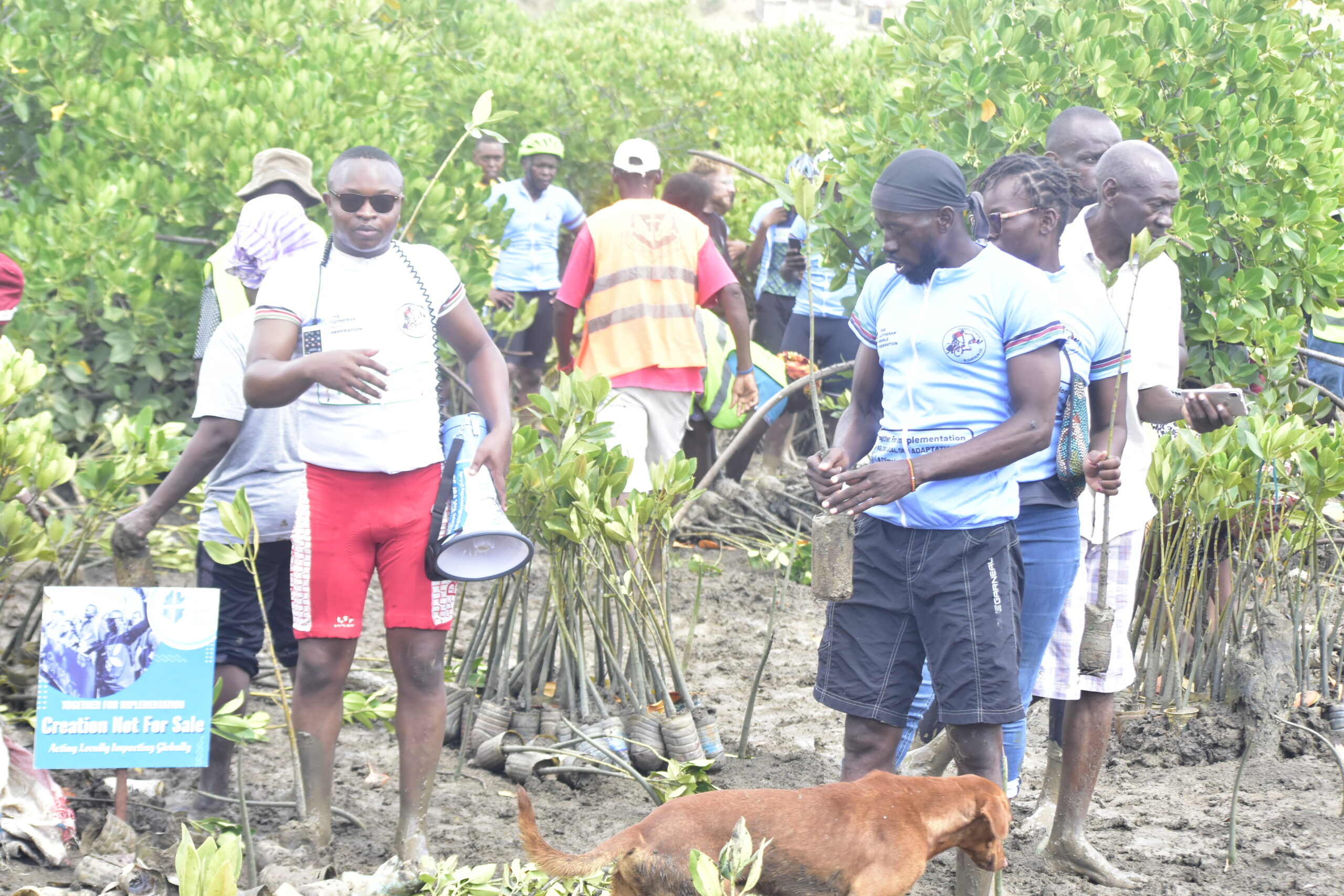
    • Long-Term Stewardship: We work to instill a sense of shared responsibility. Our goal is not just a successful planting event or a single cleanup drive, but the development of long-term local institutions that can manage and protect their environment indefinitely.

    Join Us in Empowering Change

    The journey toward coastal resilience is a shared one. When we invest in community education and empowerment, we create a ripple effect of positive action that stretches far beyond our local shores. We invite you to explore our training programs, participate in workshops, and help us elevate the voices of those working for a sustainable coastal future.
  • Protecting Our Shorelines: Why Coastal Climate Resilience Matters Now More Than Ever

    Protecting Our Shorelines: Why Coastal Climate Resilience Matters Now More Than Ever

    Coastal regions stand on the front lines of global climate change. From rising sea levels and intense ocean storms to shoreline erosion and shifting marine habitats, coastal ecosystems face unprecedented environmental pressures. Yet, despite these vulnerabilities, our coasts also hold the key to powerful, natural climate solutions.

    At Coastal Climate Futures, we believe that securing a sustainable tomorrow begins with local action today. Protecting our marine biodiversity, restoring native habitats, and empowering coastal communities are not just conservation goals—they are essential steps toward long-term climate resilience.

    1. The Natural Shields: Mangroves and Marine Ecosystems

    When we talk about coastal defenses, concrete sea walls often come to mind. However, nature has already engineered far superior protection systems: mangrove forests, seagrass meadows, and coral reefs.

    • Blue Carbon Champions: Mangroves and seagrasses absorb and store carbon dioxide up to four times faster than terrestrial tropical forests. Protecting these “blue carbon” sinks keeps greenhouse gases out of the atmosphere.
    • Storm Surge Buffer: Dense mangrove root systems break wave energy, reducing flood damage during extreme weather events and preventing coastal erosion.
    • Nursery for Marine Life: Healthy coastal habitats provide shelter and breeding grounds for hundreds of fish species, directly supporting food security and local fishing economies.

    2. The Human Element: Community-Led Conservation

    Climate action is most effective when driven by the people who call the coast home. Top-down policies are essential, but sustainable change happens on the ground through community ownership and local stewardship.

    Building resilient coastal communities involves:

    1. Empowering Youth and Local Leaders: Providing environmental education and green skills training enables younger generations to lead conservation initiatives.
    2. Promoting Sustainable Livelihoods: Transitioning toward eco-tourism, sustainable aquaculture, and regenerative fishing ensures economic stability alongside environmental protection.
    3. Integrating Traditional Ecological Knowledge: Indigenous and local community practices offer invaluable insights into weather patterns, biodiversity tracking, and seasonal conservation.

    3. Four Practical Steps to Support Coastal Action

    Whether you live directly on the coastline or further inland, every environmental choice flows downstream to our oceans. Here are actionable ways to contribute to a sustainable coastal future:

    • Support Local Reforestation Projects: Participate in or donate to mangrove tree planting and coastal cleanup drives.
    • Reduce Single-Use Plastics: Plastic pollution degrades ocean health and smothers marine habitats. Minimizing waste protects coastal ecosystems.
    • Choose Sustainable Seafood: Support fishers who use responsible, low-impact gear that preserves marine food webs.
    • Amplify Climate Advocacy: Share educational resources, highlight conservation stories, and hold institutions accountable for climate policies.

    Looking Ahead: Building a Resilient Future Together

    The threats facing our oceans and coastlines are significant, but so is our capacity for recovery and innovation. By combining nature-based solutions with grassroots community action, we can safeguard our coastal environments for generations to come.

    Stay connected with Coastal Climate Futures as we continue working toward cleaner oceans, healthier coastlines, and resilient communities.

    Join the Movement

    Interested in volunteering, partnering, or supporting our environmental initiatives?

  • How Coastal Restoration Battles Global Climate Change

    How Coastal Restoration Battles Global Climate Change

    When we think of natural carbon absorbers, vast rainforests often dominate the conversation. However, tucked along our estuaries, tidal creeks, and coastlines lies one of the planet’s most potent climate shields: Blue Carbon ecosystems.

    Blue carbon refers to the carbon dioxide captured from the atmosphere and stored in coastal and marine environments—primarily mangrove forests, seagrass beds, and salt marshes. Though they cover less than 0.5% of the sea floor, these coastal habitats account for a significant portion of all carbon sequestered in ocean sediments.

    At Coastal Climate Futures, understanding blue carbon is central to our mission of building resilient ecosystems and empowered communities.

    The Science: Why Coastal Trees Pound for Pound Outperform Rainforests

    How do mangroves and coastal plants lock away so much carbon? The secret lies in their saturated, oxygen-poor soils.

    • Underground Storage: In terrestrial forests, dead leaves and wood decompose rapidly on dry soil, releasing carbon back into the air. Coastal wetland soils are underwater, slowing decomposition almost to a halt. Carbon remains trapped deep in the sediment for hundreds to thousands of years.
    • Rapid Sequestration: Coastal plants grow quickly in tropical and sub-tropical environments, drawing down large volumes of carbon dioxide during photosynthesis.
    • Massive Biomass: A single hectare of healthy mangrove forest can store up to 4 times more carbon than a hectare of mature tropical rainforest.

    Beyond Carbon: The Multiplier Effect for Local Communities

    Restoring blue carbon ecosystems isn’t just about global climate targets; it directly improves life for coastal residents today.

    Ecosystem BenefitCommunity & Environmental Impact
    Fisheries RecoveryOver 80% of commercial fish species rely on mangroves and seagrasses during critical life stages.
    Shoreline StabilityMangrove roots anchor soil, preventing beach loss and protecting coastal roads and infrastructure.
    Water FiltrationEstuary vegetation traps sediment and runoff before it reaches fragile offshore coral reefs.
    Eco-Tourism & IncomeRestored mangrove networks create opportunities for guided boat tours, eco-lodges, and sustainable crab farming.

    From Degradation to Restoration: Taking Action Together

    Despite their immense value, coastal wetlands are among the most threatened habitats worldwide—damaged by clearing, coastal development, and pollution. Reversing this trend requires a hands-on approach.

    Through community-led nurseries, strategic planting, and environmental education, Coastal Climate Futures works to restore degraded intertidal zones and equip local stewards with the tools needed to safeguard their environment.

    How You Can Support Blue Carbon Initiatives:

    1. Get involved in nursery planting: Join local community drives to raise native mangrove seedlings.
    2. Advocate for coastal protection: Support policies that prevent destructive clearing of intertidal forests.
    3. Share the knowledge: Educate friends and local networks on why marine ecosystems are vital to climate resilience.

    Keep Up With Our Mission

    Want to follow our progress or join an upcoming restoration activity?