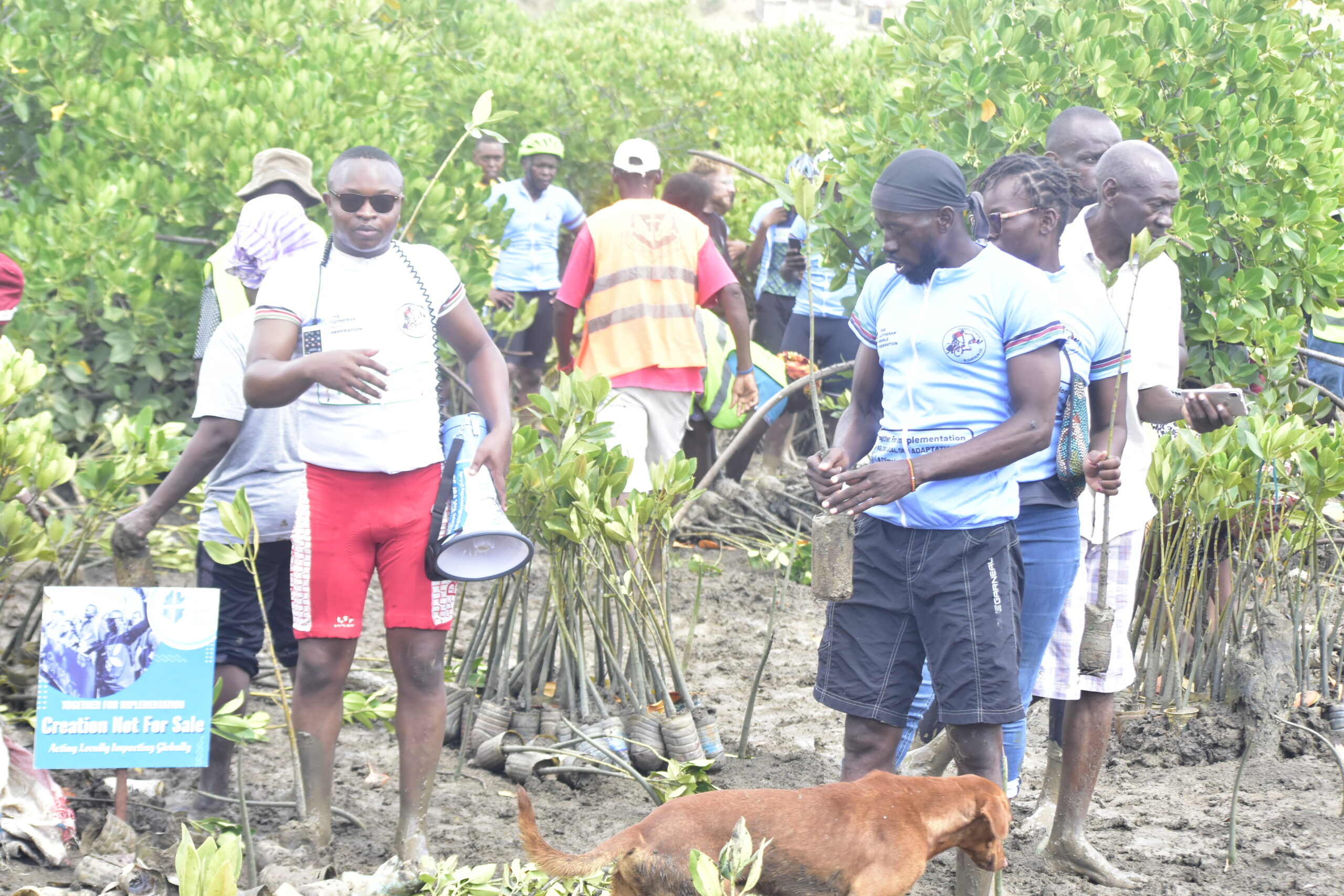
When we think of natural carbon absorbers, vast rainforests often dominate the conversation. However, tucked along our estuaries, tidal creeks, and coastlines lies one of the planet’s most potent climate shields: Blue Carbon ecosystems.
Blue carbon refers to the carbon dioxide captured from the atmosphere and stored in coastal and marine environments—primarily mangrove forests, seagrass beds, and salt marshes. Though they cover less than 0.5% of the sea floor, these coastal habitats account for a significant portion of all carbon sequestered in ocean sediments.
At Coastal Climate Futures, understanding blue carbon is central to our mission of building resilient ecosystems and empowered communities.
The Science: Why Coastal Trees Pound for Pound Outperform Rainforests
How do mangroves and coastal plants lock away so much carbon? The secret lies in their saturated, oxygen-poor soils.
- Underground Storage: In terrestrial forests, dead leaves and wood decompose rapidly on dry soil, releasing carbon back into the air. Coastal wetland soils are underwater, slowing decomposition almost to a halt. Carbon remains trapped deep in the sediment for hundreds to thousands of years.
- Rapid Sequestration: Coastal plants grow quickly in tropical and sub-tropical environments, drawing down large volumes of carbon dioxide during photosynthesis.
- Massive Biomass: A single hectare of healthy mangrove forest can store up to 4 times more carbon than a hectare of mature tropical rainforest.
Beyond Carbon: The Multiplier Effect for Local Communities
Restoring blue carbon ecosystems isn’t just about global climate targets; it directly improves life for coastal residents today.
| Ecosystem Benefit | Community & Environmental Impact |
| Fisheries Recovery | Over 80% of commercial fish species rely on mangroves and seagrasses during critical life stages. |
| Shoreline Stability | Mangrove roots anchor soil, preventing beach loss and protecting coastal roads and infrastructure. |
| Water Filtration | Estuary vegetation traps sediment and runoff before it reaches fragile offshore coral reefs. |
| Eco-Tourism & Income | Restored mangrove networks create opportunities for guided boat tours, eco-lodges, and sustainable crab farming. |
From Degradation to Restoration: Taking Action Together
Despite their immense value, coastal wetlands are among the most threatened habitats worldwide—damaged by clearing, coastal development, and pollution. Reversing this trend requires a hands-on approach.
Through community-led nurseries, strategic planting, and environmental education, Coastal Climate Futures works to restore degraded intertidal zones and equip local stewards with the tools needed to safeguard their environment.
How You Can Support Blue Carbon Initiatives:
- Get involved in nursery planting: Join local community drives to raise native mangrove seedlings.
- Advocate for coastal protection: Support policies that prevent destructive clearing of intertidal forests.
- Share the knowledge: Educate friends and local networks on why marine ecosystems are vital to climate resilience.
Keep Up With Our Mission
Want to follow our progress or join an upcoming restoration activity?

Leave a Reply