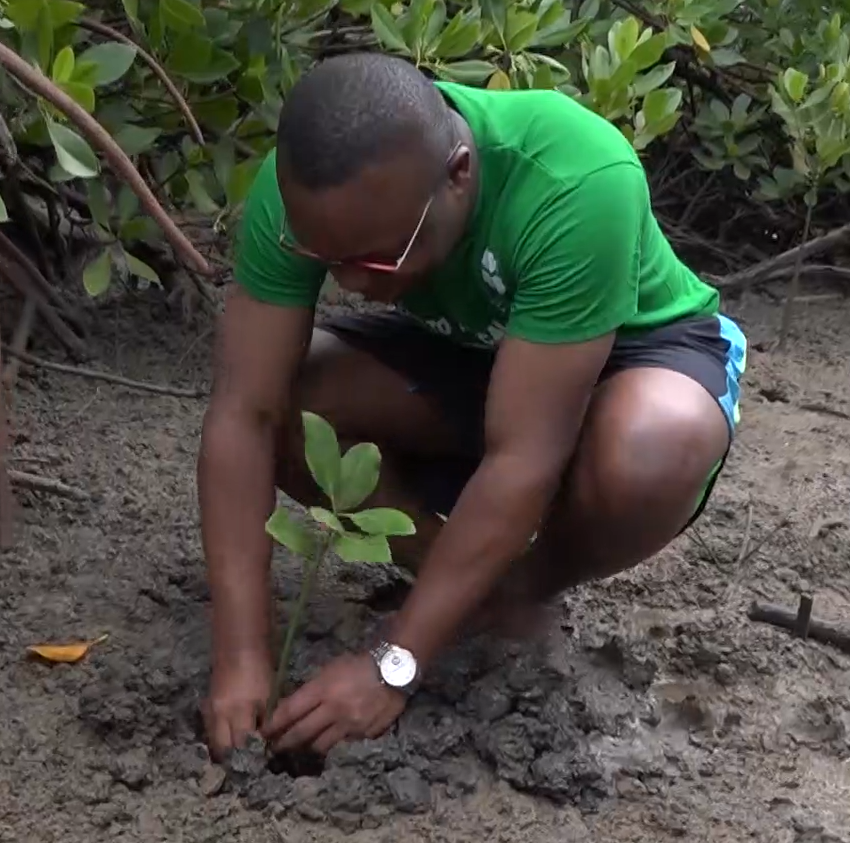
Coastal regions stand on the front lines of global climate change. From rising sea levels and intense ocean storms to shoreline erosion and shifting marine habitats, coastal ecosystems face unprecedented environmental pressures. Yet, despite these vulnerabilities, our coasts also hold the key to powerful, natural climate solutions.
At Coastal Climate Futures, we believe that securing a sustainable tomorrow begins with local action today. Protecting our marine biodiversity, restoring native habitats, and empowering coastal communities are not just conservation goals—they are essential steps toward long-term climate resilience.
1. The Natural Shields: Mangroves and Marine Ecosystems
When we talk about coastal defenses, concrete sea walls often come to mind. However, nature has already engineered far superior protection systems: mangrove forests, seagrass meadows, and coral reefs.
- Blue Carbon Champions: Mangroves and seagrasses absorb and store carbon dioxide up to four times faster than terrestrial tropical forests. Protecting these “blue carbon” sinks keeps greenhouse gases out of the atmosphere.
- Storm Surge Buffer: Dense mangrove root systems break wave energy, reducing flood damage during extreme weather events and preventing coastal erosion.
- Nursery for Marine Life: Healthy coastal habitats provide shelter and breeding grounds for hundreds of fish species, directly supporting food security and local fishing economies.
2. The Human Element: Community-Led Conservation
Climate action is most effective when driven by the people who call the coast home. Top-down policies are essential, but sustainable change happens on the ground through community ownership and local stewardship.
Building resilient coastal communities involves:
- Empowering Youth and Local Leaders: Providing environmental education and green skills training enables younger generations to lead conservation initiatives.
- Promoting Sustainable Livelihoods: Transitioning toward eco-tourism, sustainable aquaculture, and regenerative fishing ensures economic stability alongside environmental protection.
- Integrating Traditional Ecological Knowledge: Indigenous and local community practices offer invaluable insights into weather patterns, biodiversity tracking, and seasonal conservation.
3. Four Practical Steps to Support Coastal Action
Whether you live directly on the coastline or further inland, every environmental choice flows downstream to our oceans. Here are actionable ways to contribute to a sustainable coastal future:
- Support Local Reforestation Projects: Participate in or donate to mangrove tree planting and coastal cleanup drives.
- Reduce Single-Use Plastics: Plastic pollution degrades ocean health and smothers marine habitats. Minimizing waste protects coastal ecosystems.
- Choose Sustainable Seafood: Support fishers who use responsible, low-impact gear that preserves marine food webs.
- Amplify Climate Advocacy: Share educational resources, highlight conservation stories, and hold institutions accountable for climate policies.
Looking Ahead: Building a Resilient Future Together
The threats facing our oceans and coastlines are significant, but so is our capacity for recovery and innovation. By combining nature-based solutions with grassroots community action, we can safeguard our coastal environments for generations to come.
Stay connected with Coastal Climate Futures as we continue working toward cleaner oceans, healthier coastlines, and resilient communities.
Join the Movement
Interested in volunteering, partnering, or supporting our environmental initiatives?

Leave a Reply